
Snow Leopard Expedition – Rumbak, Hemis National Park: 12 Nights/13 Days
Request free consultation
Our travel planning team will contact you to provide personalized guidance. Submission confirms your acceptance of our privacy policy.
Overview
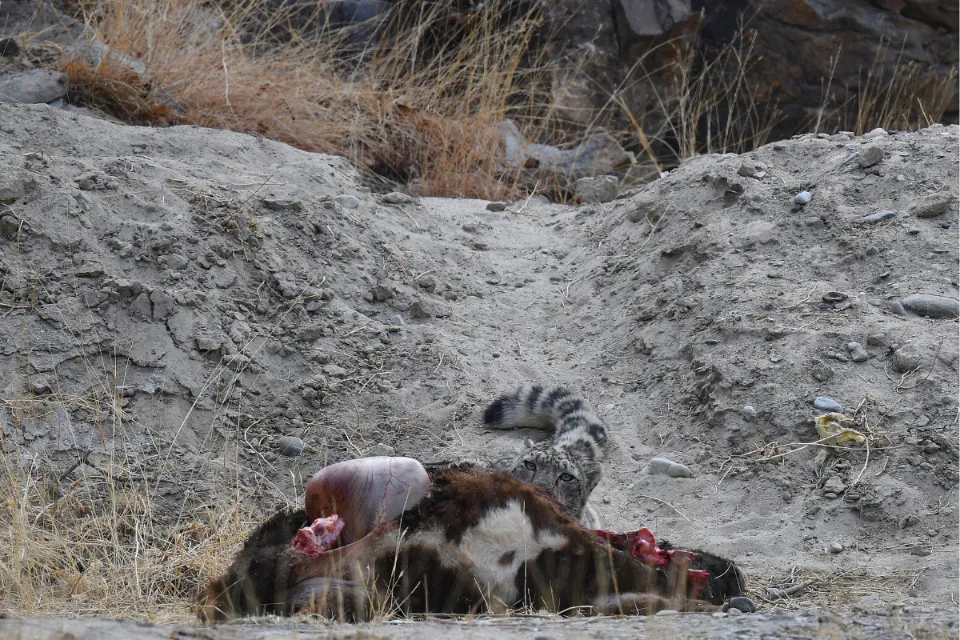
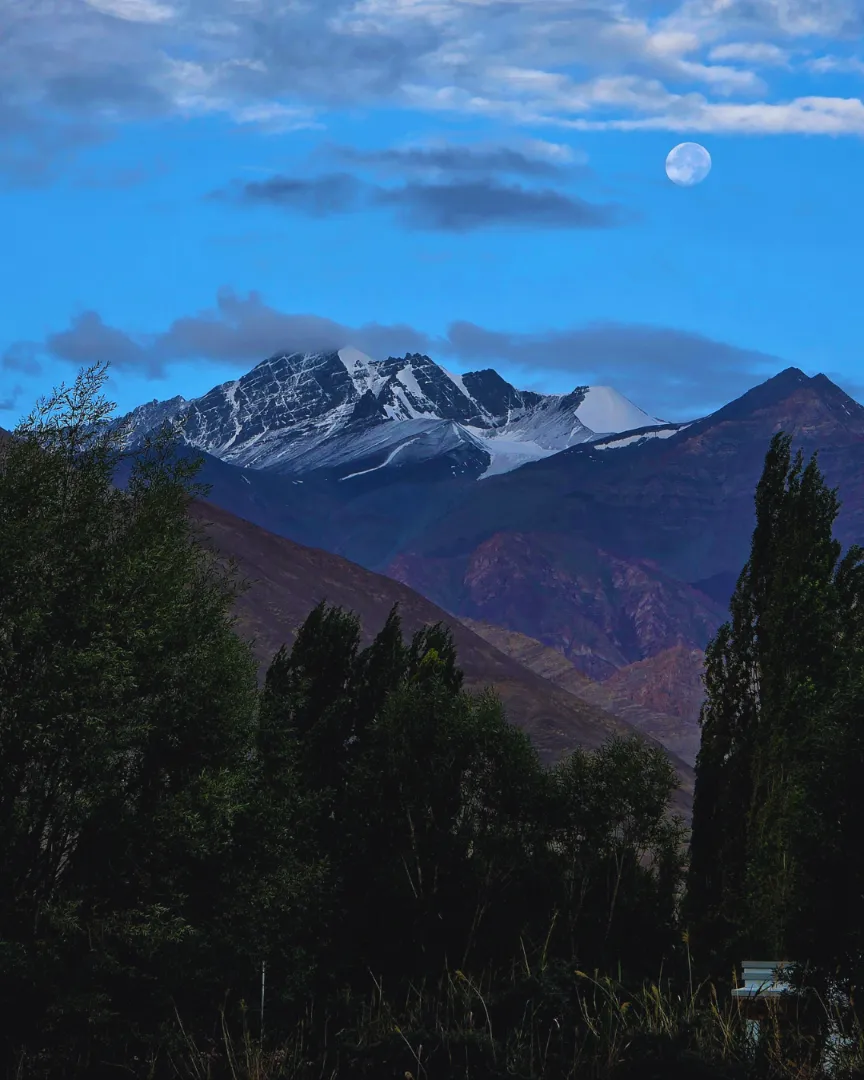
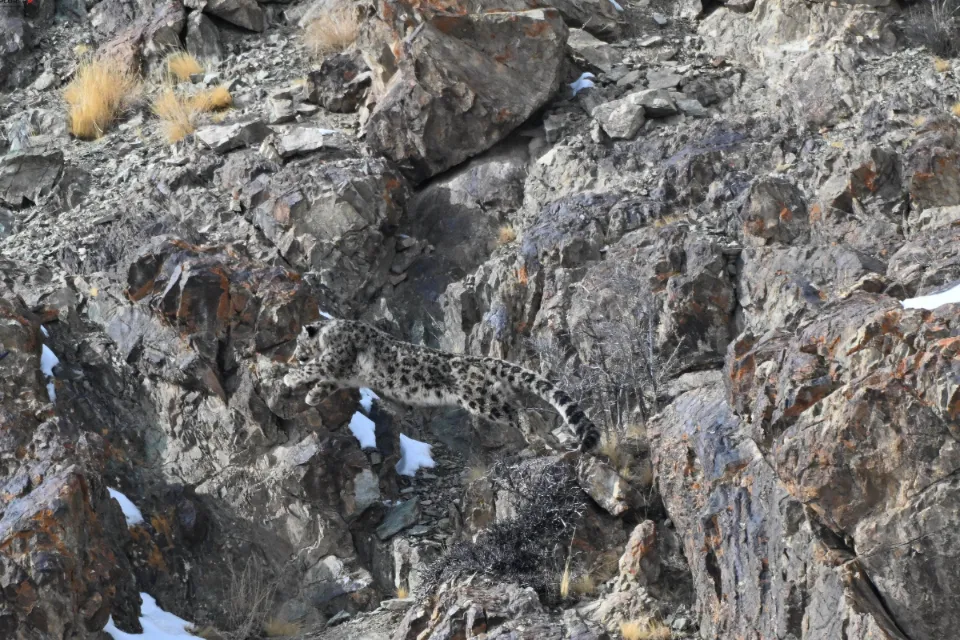
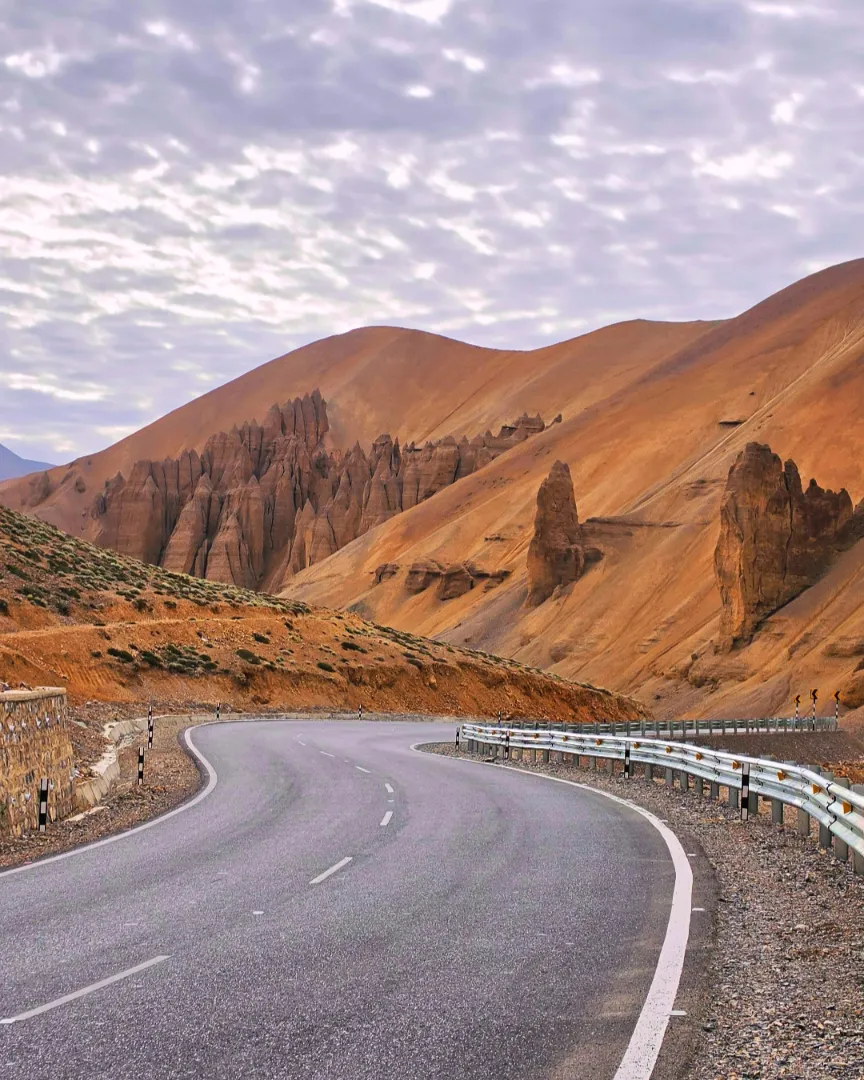
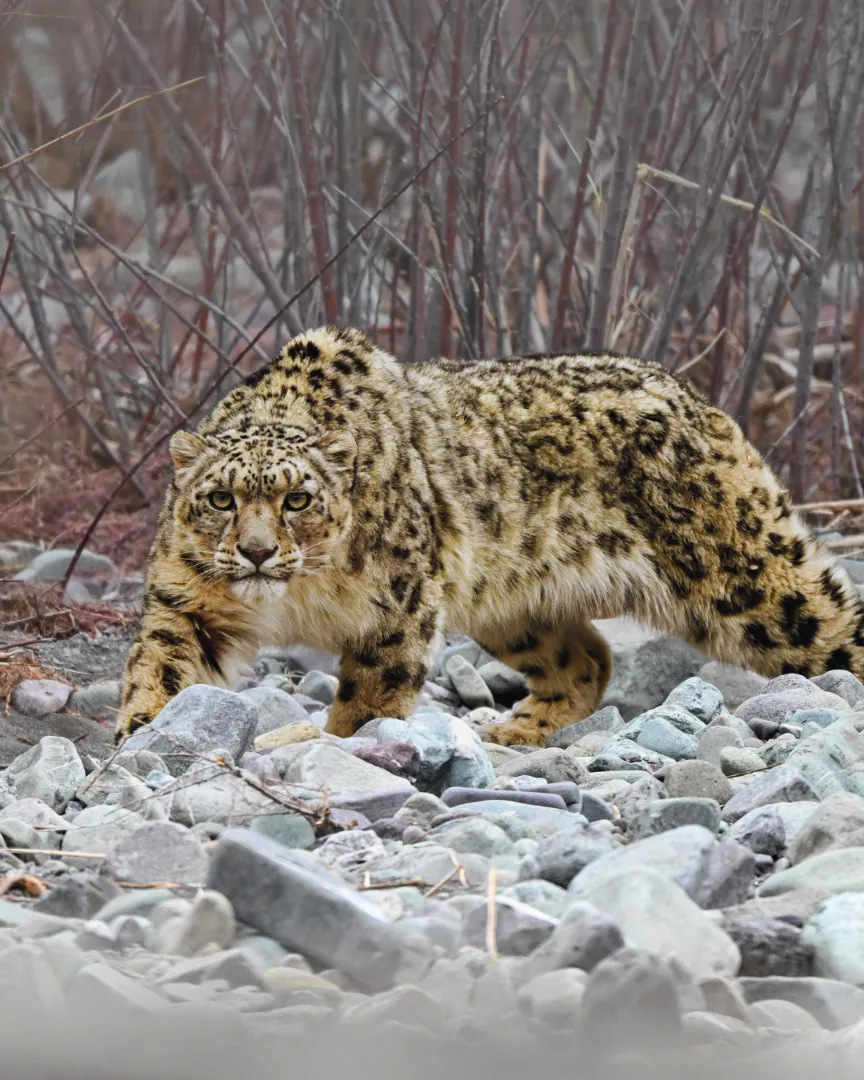
Hemis National Park, high up in Ladakh, is one of the best places in the world to see the Snow Leopard. It is India’s largest national park, spread across roughly 4,400 square kilometres on the northern side of the Himalayas, with altitudes ranging from about 3,000 metres near the Indus River to over 6,000 metres at its highest peaks. The park was set up in 1981 specifically to protect the Snow Leopard, and today it is thought to hold one of the highest densities of this cat found anywhere in the world, with an estimated breeding population of around 200 individuals, many of them concentrated in and around the Rumbak valley.
Deep inside this park lies the small village of Rumbak, one of only a handful of settlements within the park’s boundaries, and this is where our expedition is based. In winter, heavy snow covers the higher ridgelines, so the Snow Leopards move down into the lower valleys to hunt — this is exactly what makes winter the best season to look for them, even though the temperatures can fall as low as -20°C or lower at night.
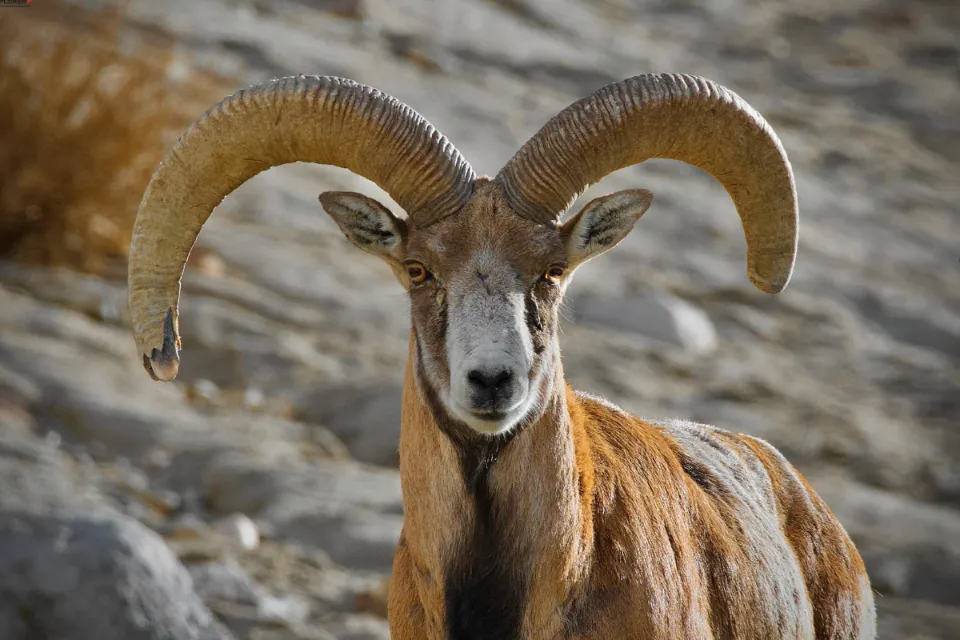
We spend eight full days in Rumbak, with our trackers going out every morning before sunrise. They look for fresh clues left overnight — footprints in the snow, claw marks on rocks, and other small signs that tell us where a leopard has been moving. Once we have some clues, we head into the valley together to search for the cat, keeping a close watch on the Blue Sheep (bharal), since Snow Leopards depend heavily on this species and are often found close to their herds.
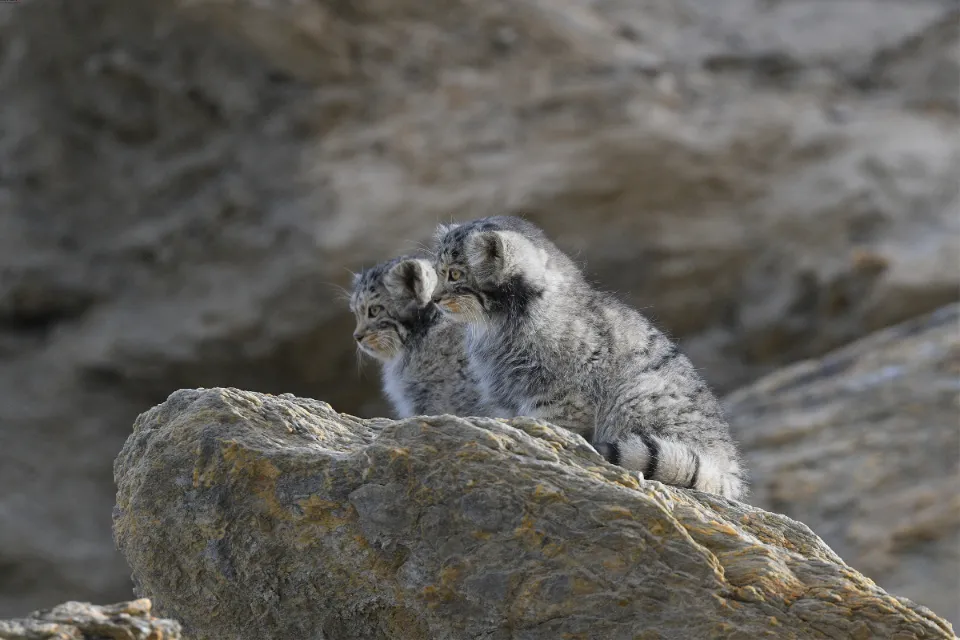
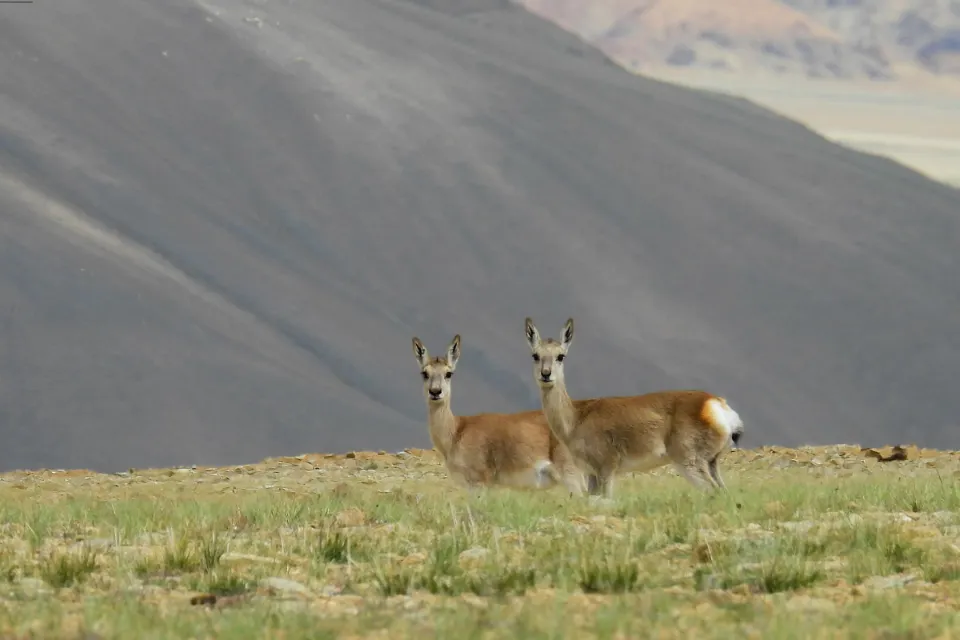
Along with the Snow Leopard, this region is home to many other animals and birds. You may also come across the Eurasian Lynx, Tibetan Wolf, Red Fox, and Woolly Hare, along with beautiful high-altitude birds like the Himalayan Snowcock, Golden Eagle, and Lammergeier. Before heading into the mountains, the trip also gives you enough time in Leh to rest and let your body adjust to the high altitude, which is very important for a safe and enjoyable journey — Leh itself sits at around 3,500 metres, and altitude sickness is a real risk if this step is rushed.
Trip Highlights
- Search for the Snow Leopard in Rumbak, one of the best places on Earth to spot this rare cat.
- Our spotters are local Ladakhis who have spent their whole lives reading these mountains — they know the ridgelines, the herds, and the leopards’ habits better than anyone, and it shows in how quickly they pick up on the smallest clues.
- Every day in the field, you’re backed by a team that genuinely cares about your comfort and your chances of a sighting.
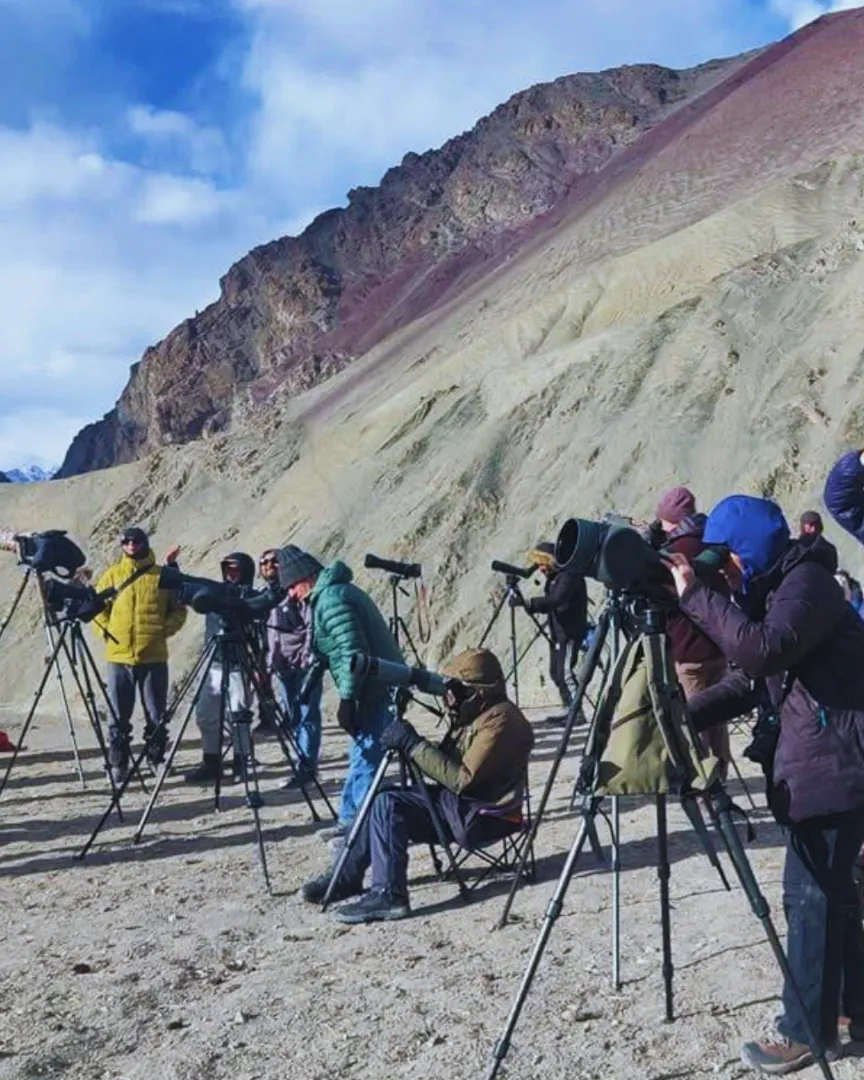
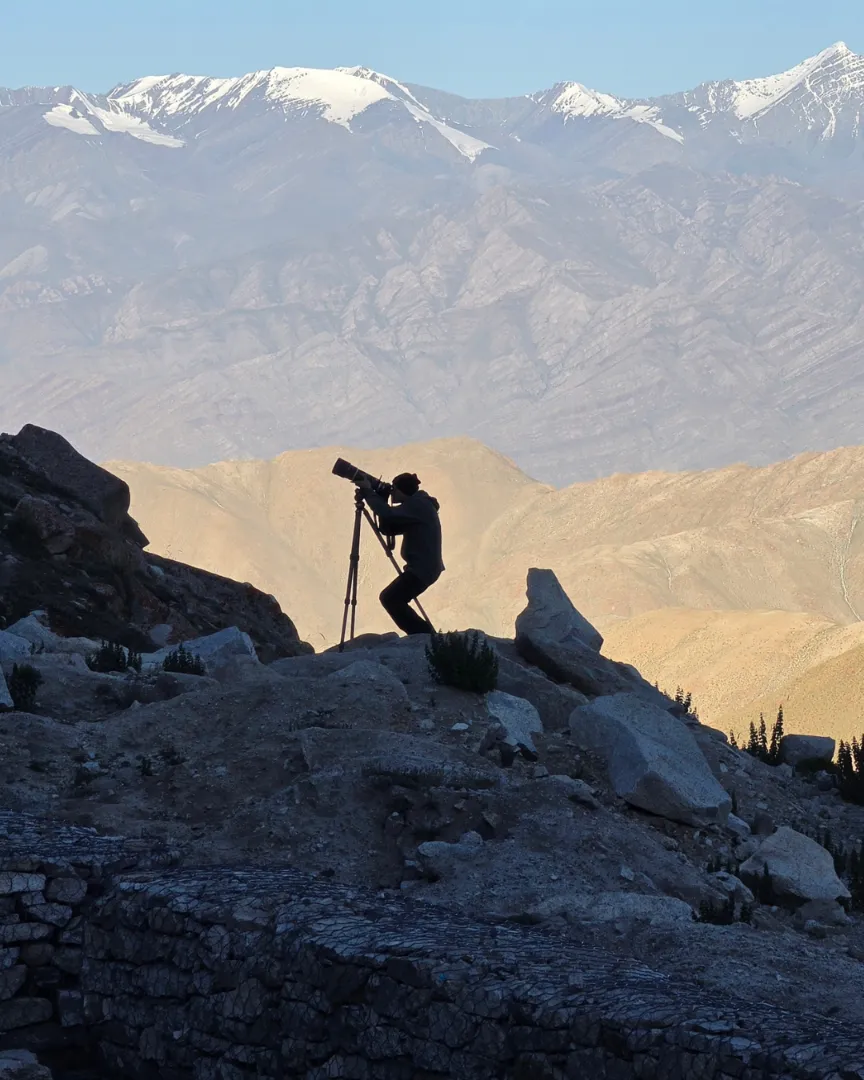
- We use quality spotting scopes and binoculars in the field, so that once a leopard is found, everyone in the group actually gets a proper, clear view of it and not just a distant blur.
- Comfortable, centrally heated hotels in Leh mean you get a genuinely warm, restful night’s sleep before and after the tracking days — a small detail that makes a big difference at this altitude.
- Our team takes acclimatization and safety seriously, with a well-paced schedule, watchful guides, and support on hand throughout the trip.
- Look out for other mountain animals such as the Eurasian Lynx, Tibetan Wolf, Red Fox, Woolly Hare, Long-eared Pika, and Blue Sheep.
- Enjoy easy birdwatching around Leh’s.
- Travel in a small group, which means more personal attention from the team and a relaxed, unhurried pace throughout.
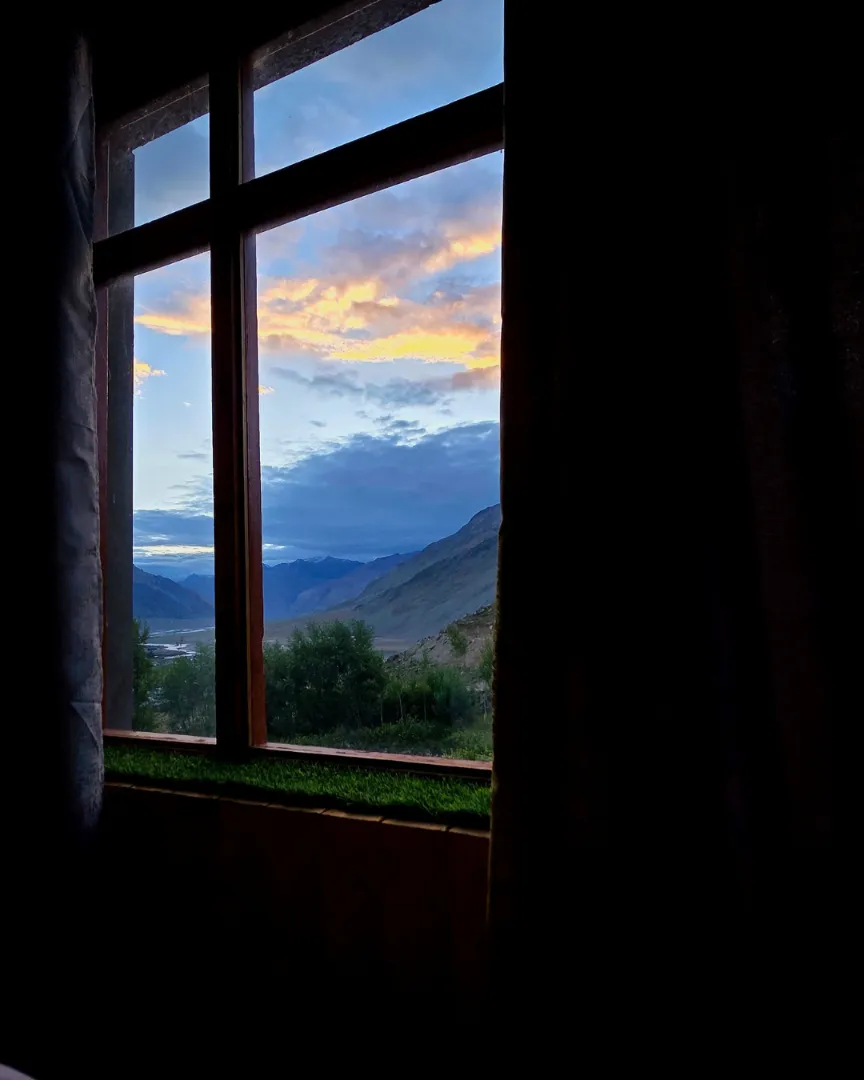
- Stay at our insulated lodge, ideally located within prime Snow Leopard habitat. Centrally heated rooms, bathrooms and dining areas, along with authentic local cuisine and warm Ladakhi hospitality, ensure a comfortable and memorable stay throughout your expedition.
Image Gallery
Itinerary
Day 1: Arrival in Delhi
Your trip begins with your arrival in Delhi. Our team will receive you at the airport and take you to your hotel. Since this is just a travel day, you can use the rest of it to relax after your flight and get ready for the journey ahead.
Overnight stay in Delhi.
Day 2: Fly to Leh – Rest and Acclimatization
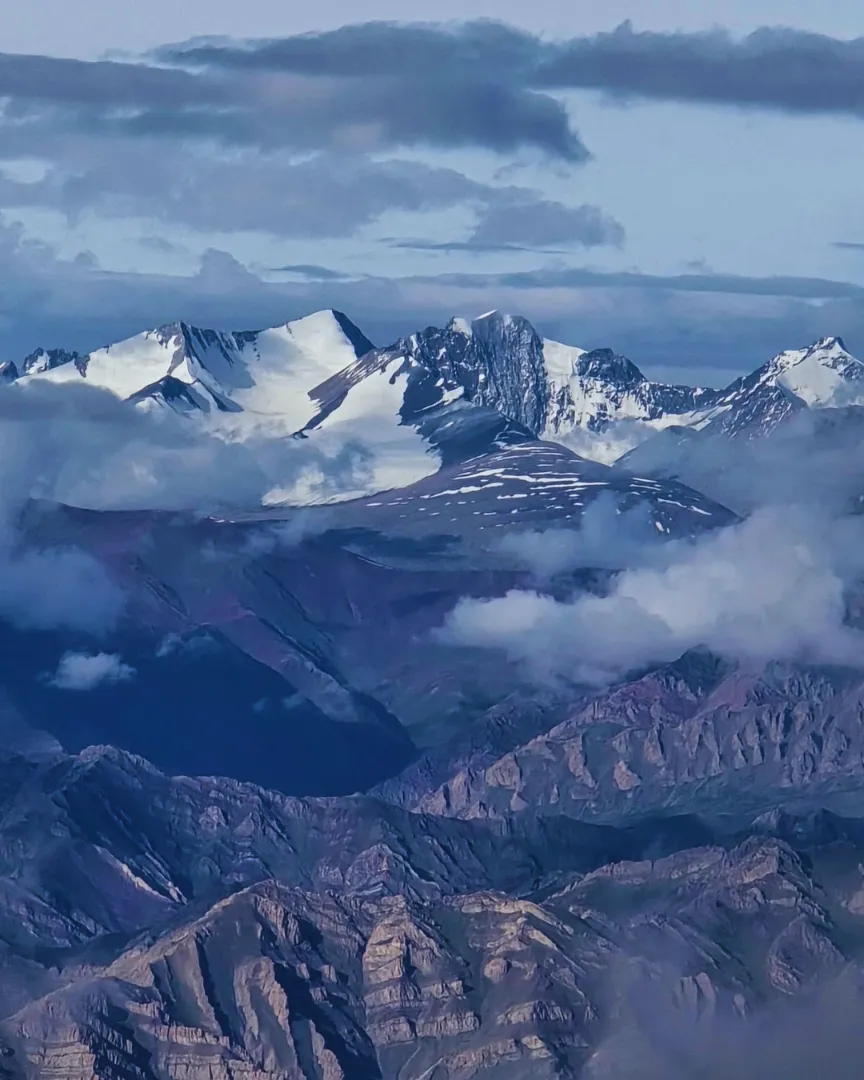
Today you will take an early morning flight from Delhi to Leh. The flight itself is a wonderful experience, as you will fly right over snow-covered Himalayan peaks and glaciers. Once you land in Leh, our team will pick you up and take you to your hotel.
Leh sits at a very high altitude of about 3,500 metres, which is much higher than most places you may have travelled to before. Because of this, your whole first day is kept free, with no sightseeing or activity planned. This rest is important — it gives your body time to adjust to the thinner air and lowers the risk of altitude sickness. Drink plenty of water, avoid alcohol and any strenuous activity, and let your guide know right away if you feel unwell.
Overnight at a warm, heated hotel in Leh.
Day 3: Leh – Easy Birding Around the Monasteries
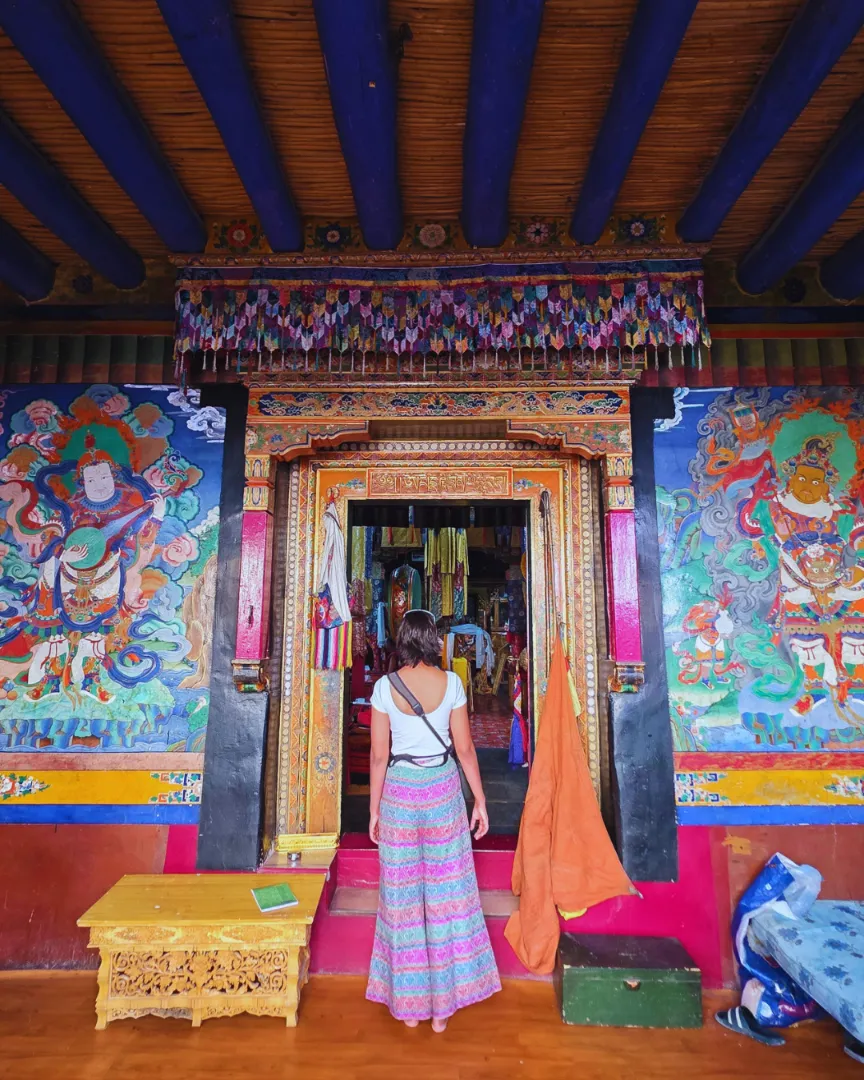
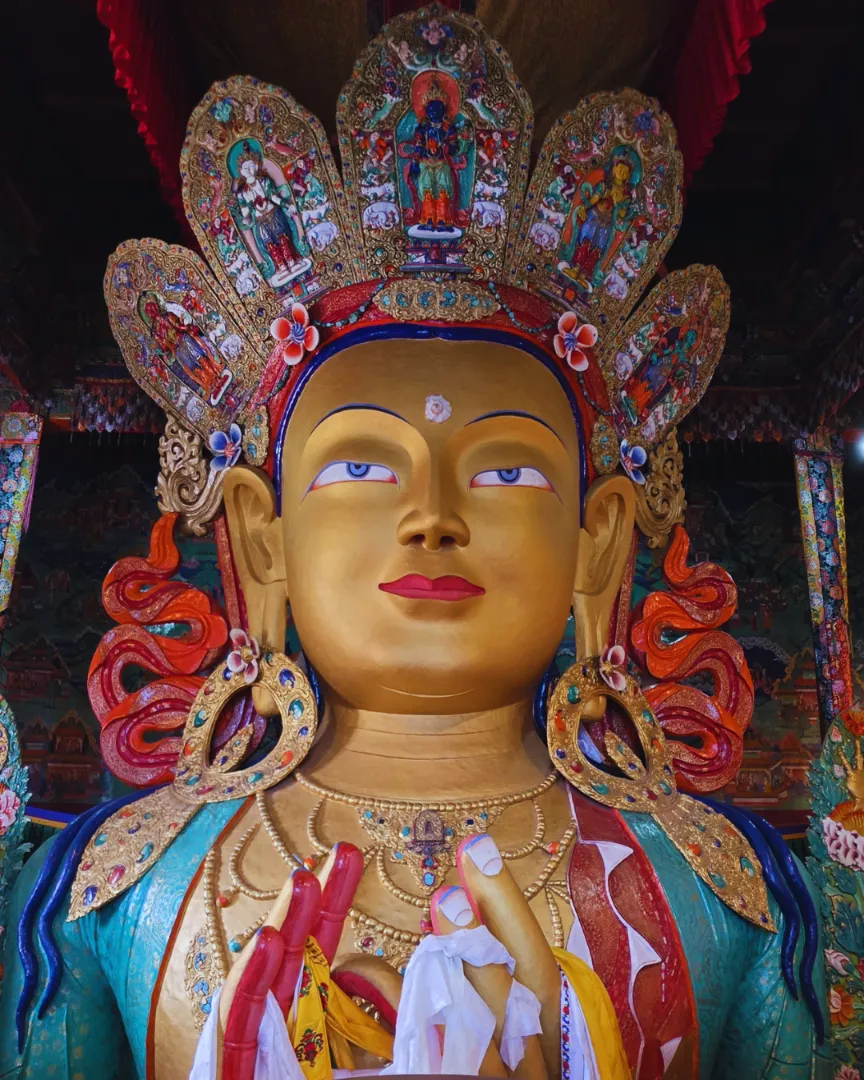
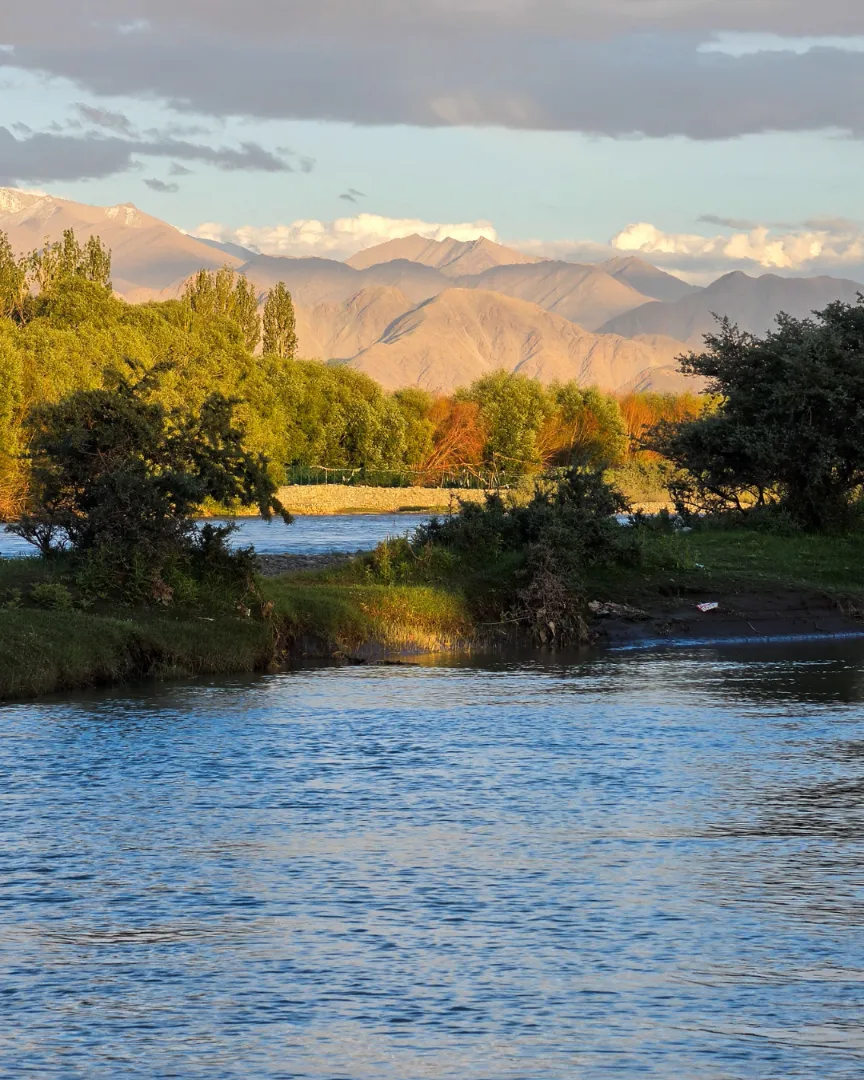
By now your body should be settling into the altitude, so today we plan a light and easy day. We will take a gentle walk around some of Leh’s old monasteries, where the mix of trees, gardens, and open land near the river attracts a good number of birds. This is a relaxed day meant to keep you active without any strain, while also giving you your first taste of Ladakh’s birdlife.
Overnight at the hotel in Leh.
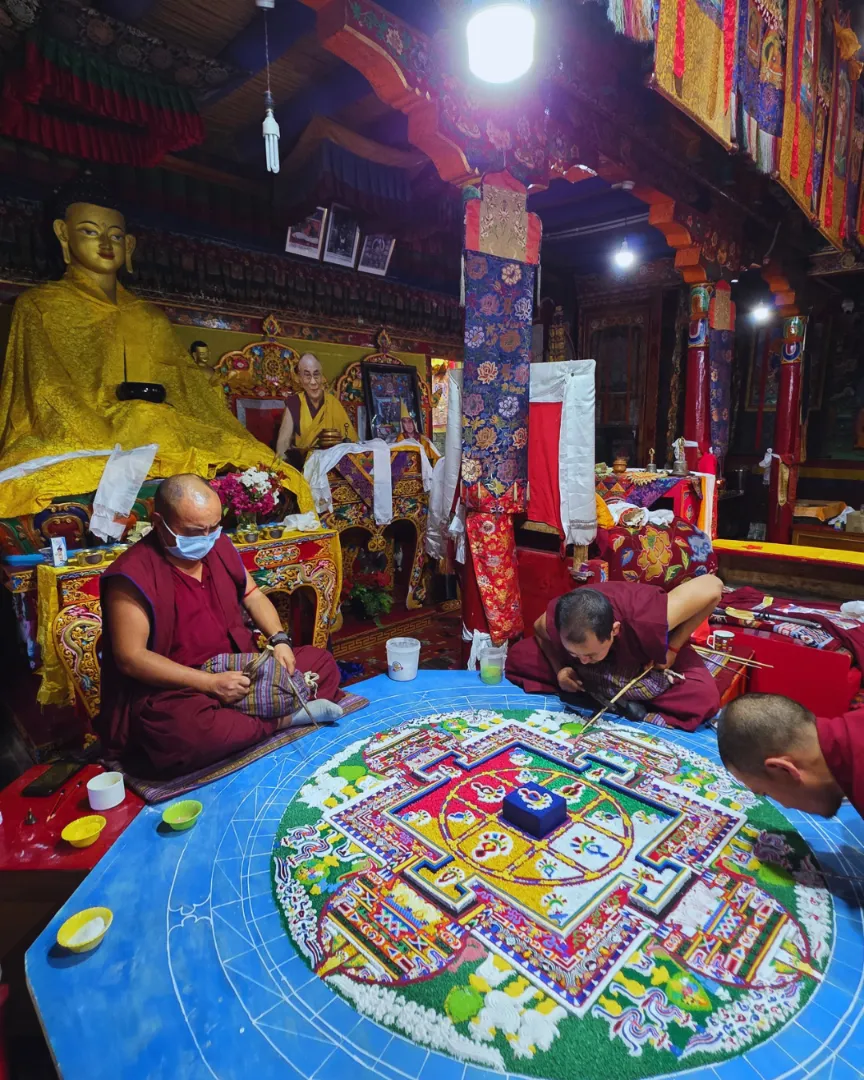
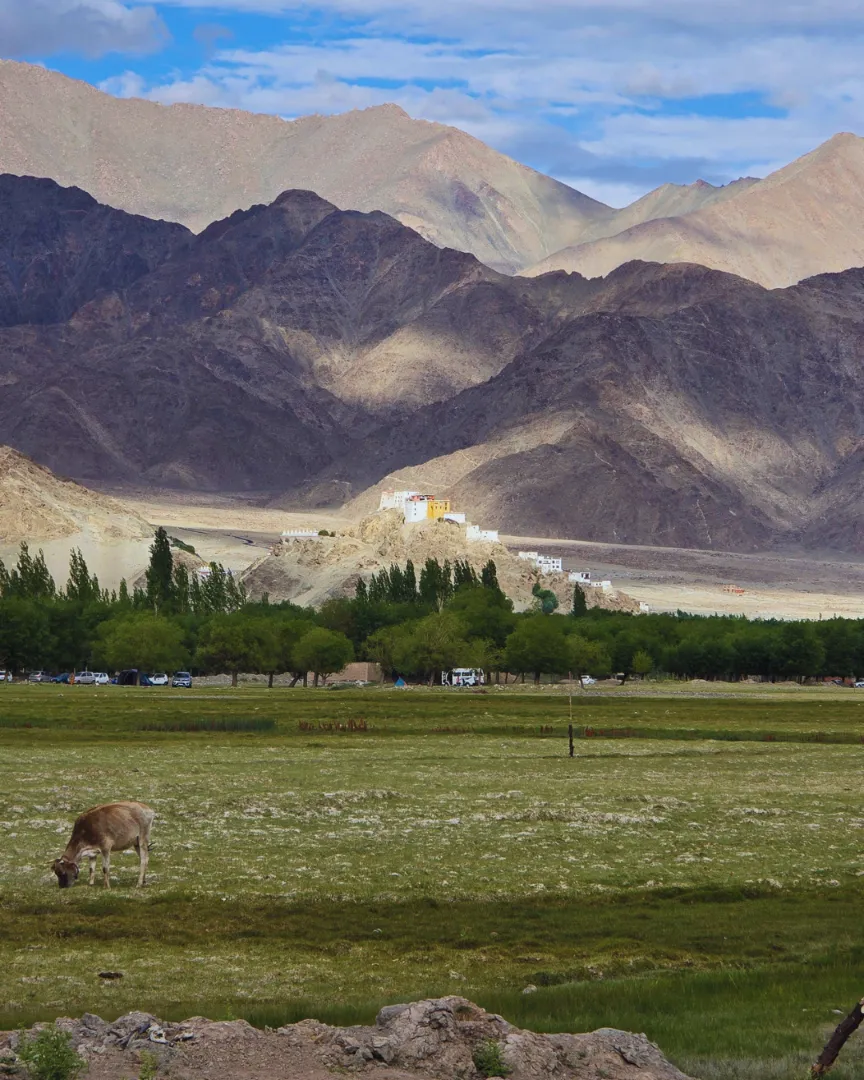
Day 4 to 11: Snow Leopard Tracking in Rumbak
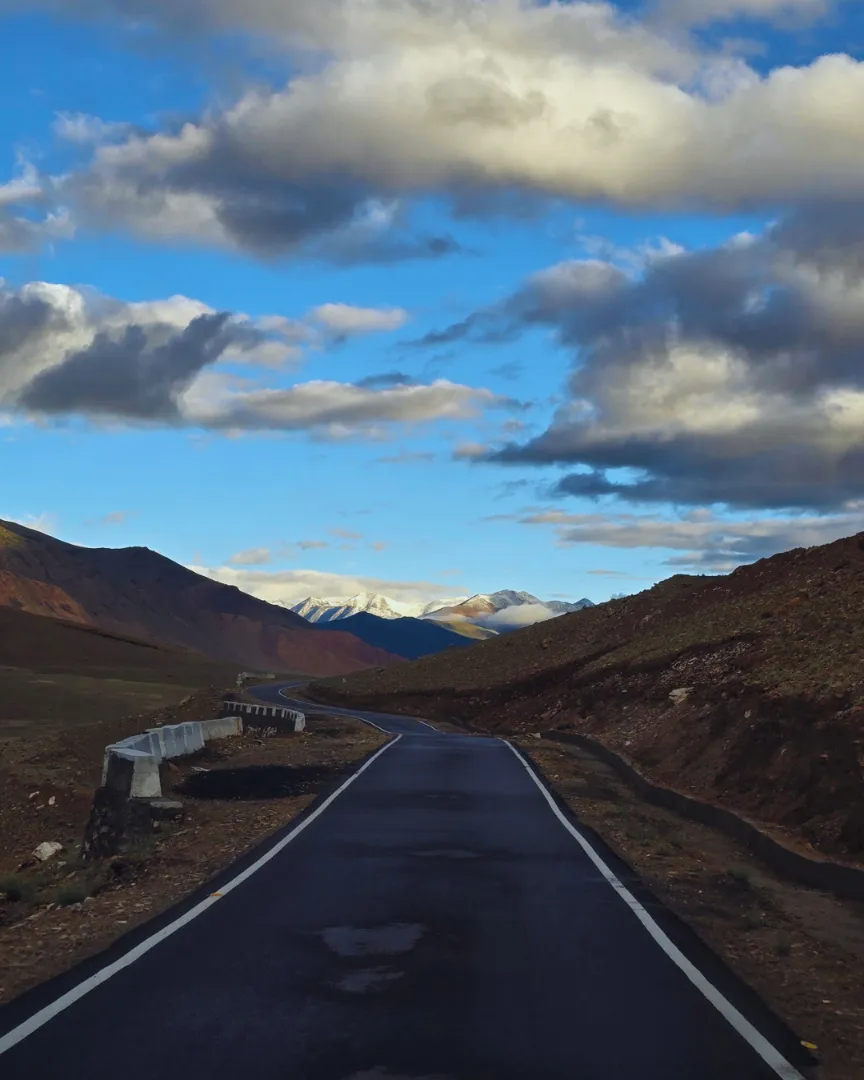
After breakfast, we leave Leh at around 8:00 AM and drive for about an hour to reach Rumbak village, which lies inside Hemis National Park. This will be our base for the next eight days as we focus fully on finding the Snow Leopard.
Here is what a typical day looks like during this part of the trip:
Our trackers leave very early, before sunrise, to check the nearby hills and cliffs for any fresh signs of Snow Leopard movement from the night before. Snow Leopards are most active at night and during dawn and dusk, so early morning is often the best time to find clues such as pawprints in the snow, claw marks on rocks, or scent marks. During the mating season, which usually falls in February and March, the leopards also make distinct calls that can help us know they are nearby.
By mid-morning, all the tracking teams meet up at hotel to share what they have found. Over a hot breakfast, the guides discuss the clues and decide which part of the valley gives us the best chance of a sighting that day. Along with looking for the leopard directly, we also keep an eye on the Blue Sheep (bharal) herds, since Snow Leopards depend on them for food and are often found close by. Years of living without much hunting pressure have made these herds quite relaxed around people, which keeps them grazing in the lower valleys — and that, in turn, is often what draws the leopards down within view.
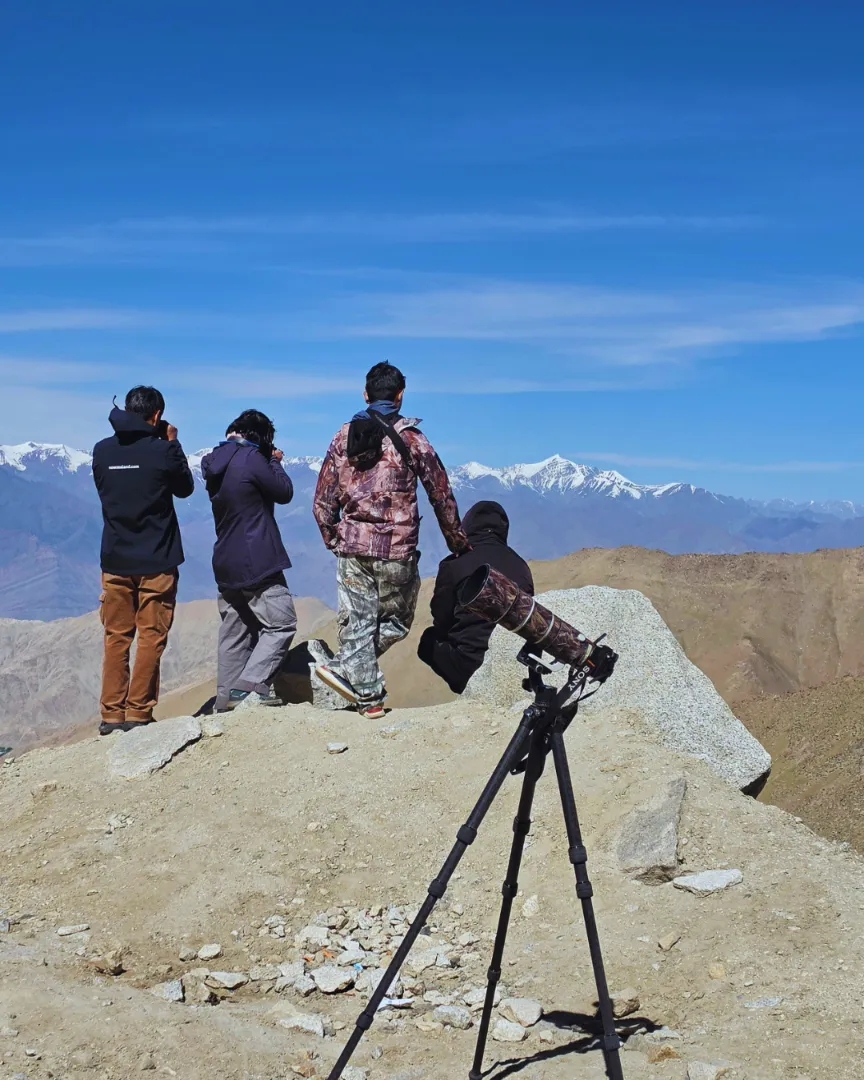
We then spend the rest of the day out in the open, watching the valley carefully, with a hot packed lunch served right there in the field so we don’t miss any activity. As evening approaches, the leopards often become active again, and since the light changes at this time, it can sometimes be easier to spot them moving along cliff edges as they scan the valley for prey.
Nights are spent in Rumbak itself, with home-style meals and time to relax after a long day out in the cold. Apart from the Snow Leopard, we will keep our eyes open for:
- Eurasian Lynx
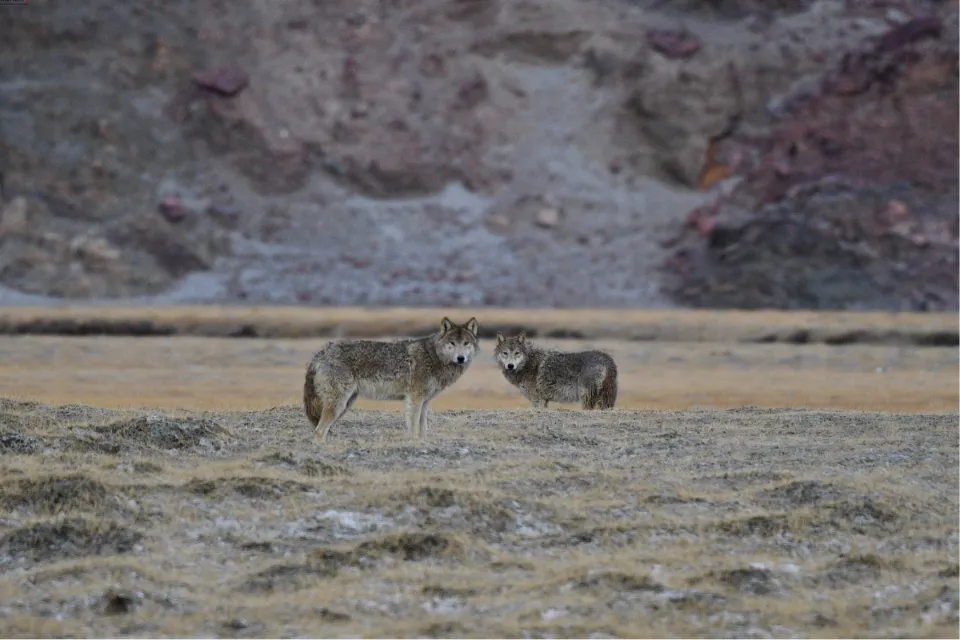
- Tibetan Wolf
- Red Fox
- Woolly Hare
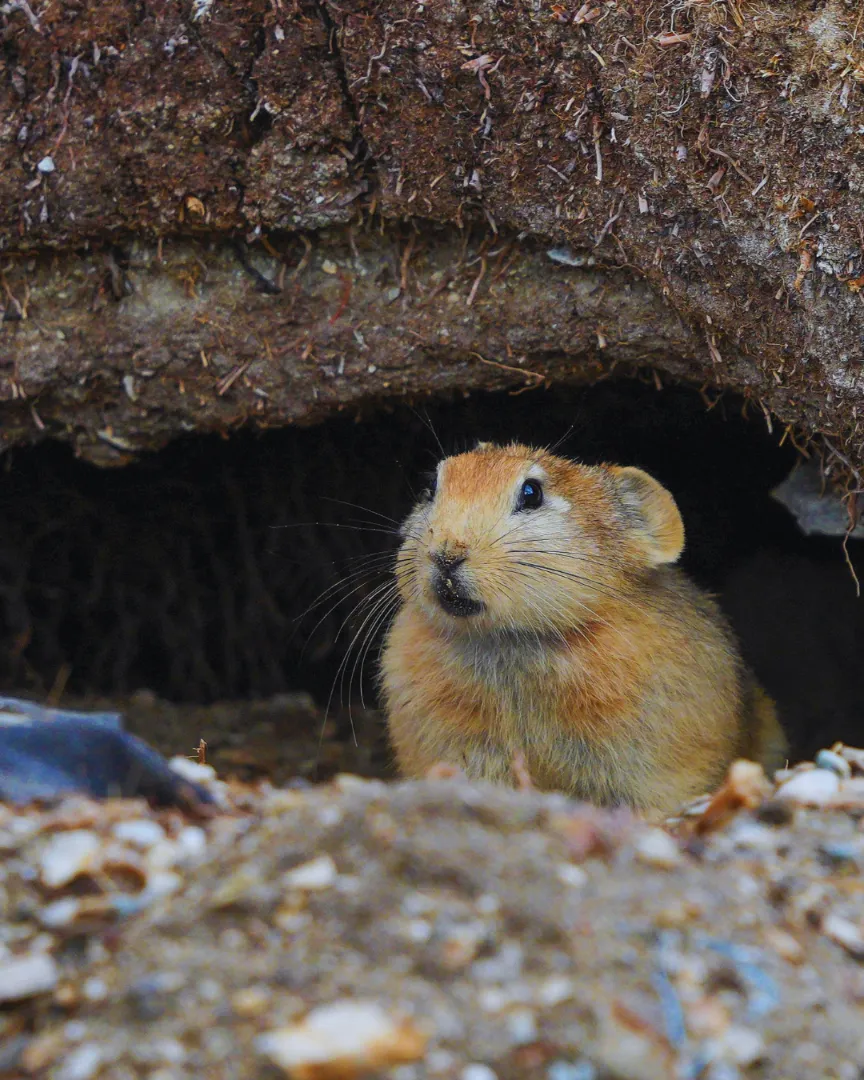
- Long-eared Pika
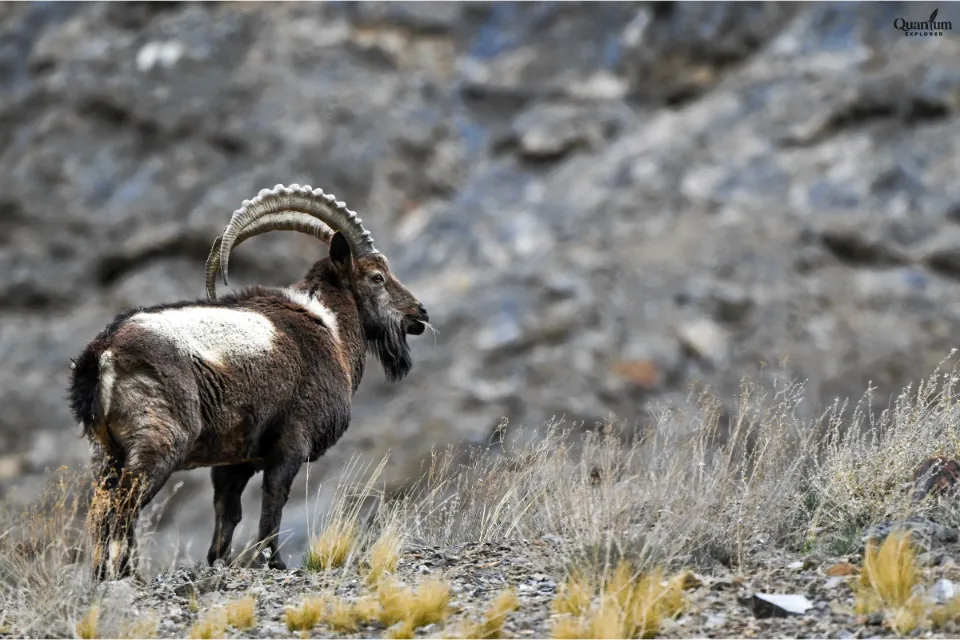
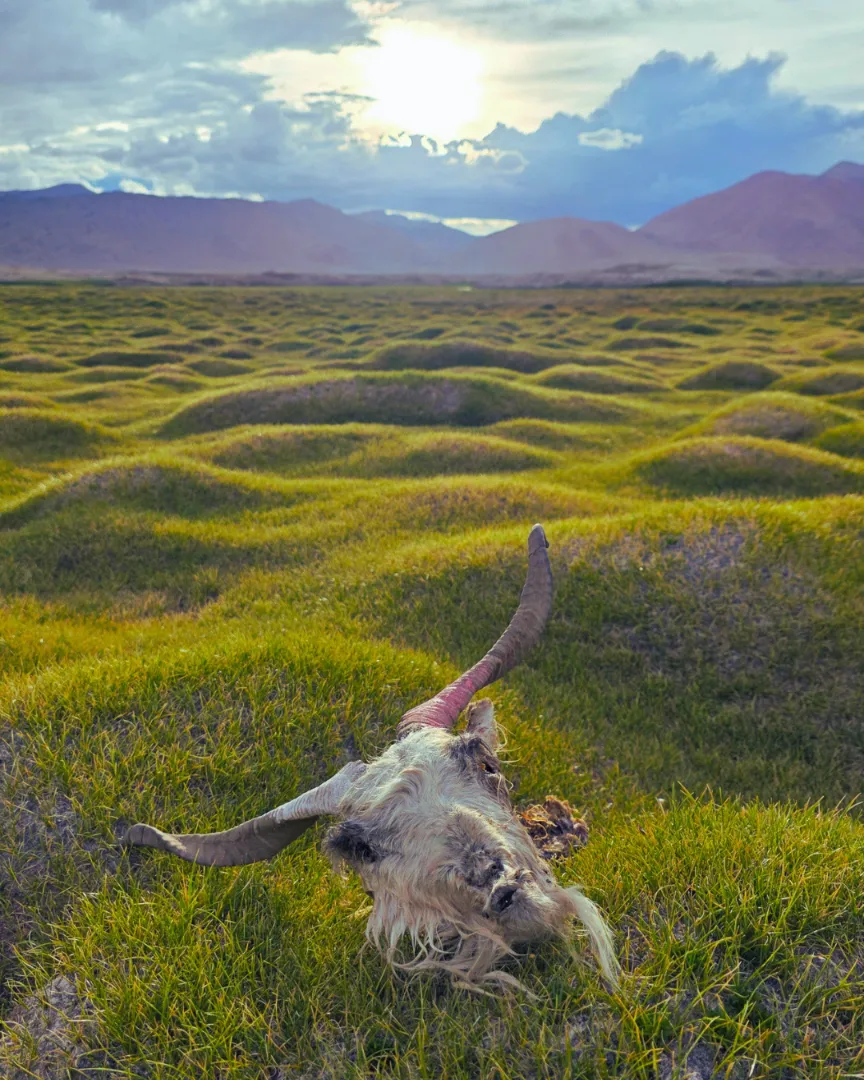
- Blue Sheep (Bharal) and, occasionally, Asiatic Ibex
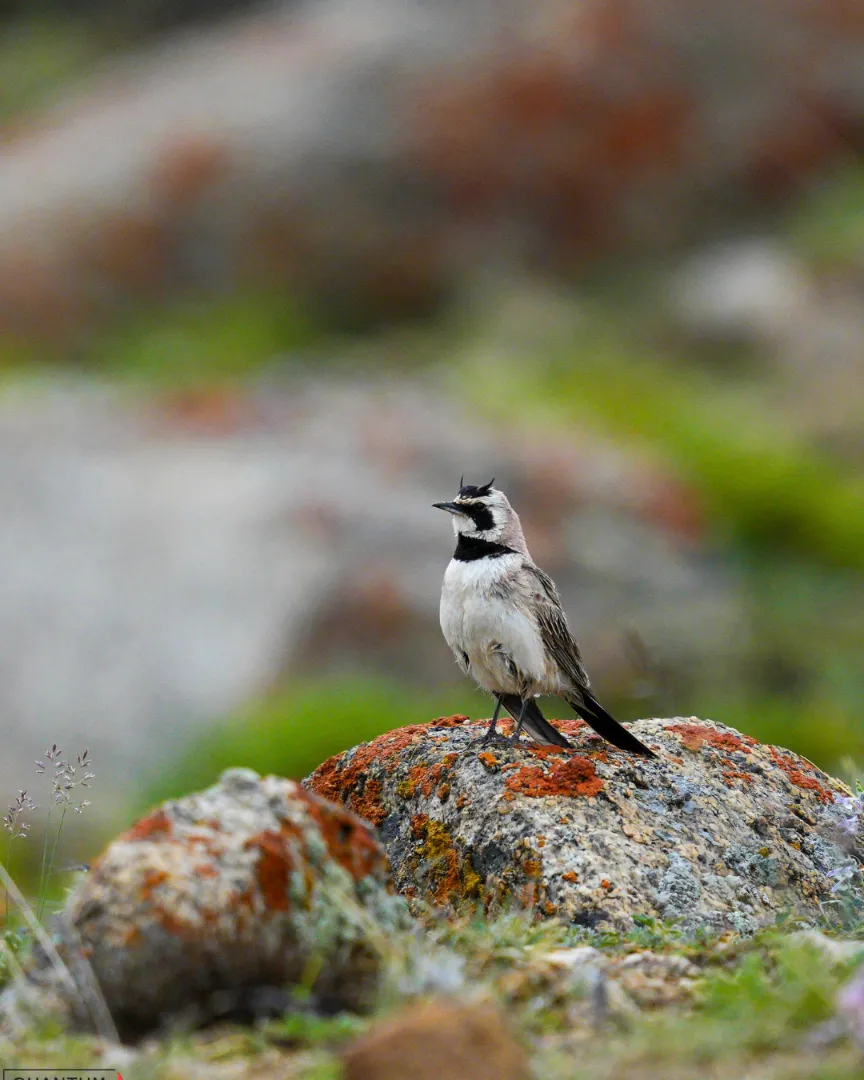
- Himalayan Snowcock, Finches, Tibetan Partridge, White-throated Dipper, Accentors, White-winged Redstart, White-browed Tit Warbler, Golden Eagle, and Lammergeier
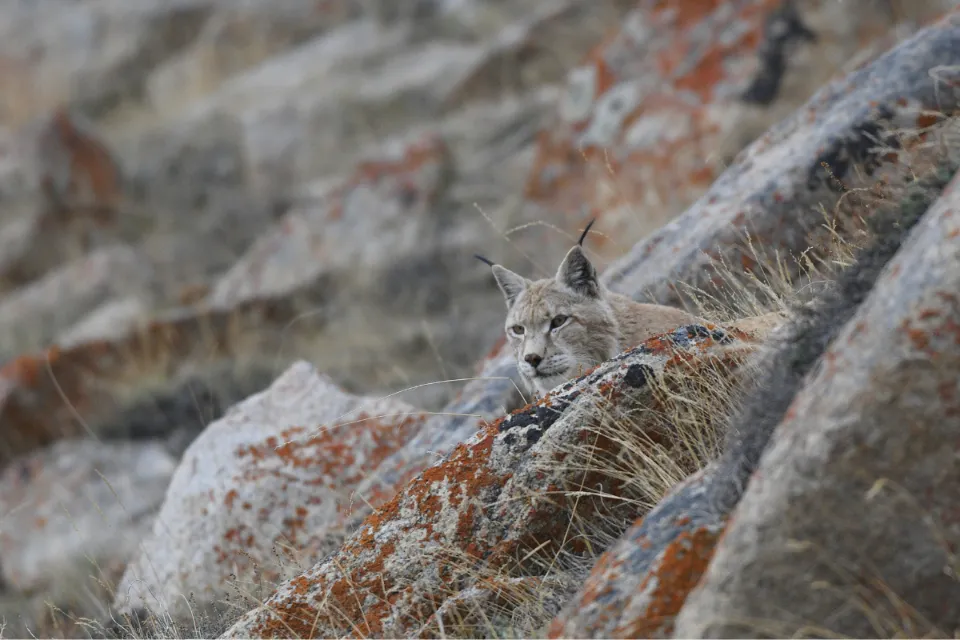
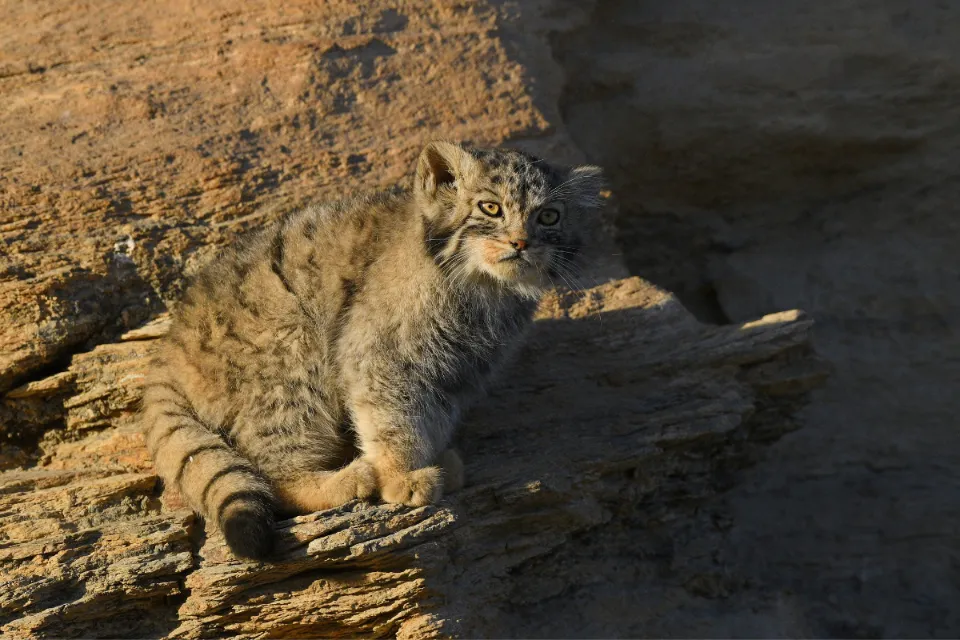
Day 12: Rumbak to Leh
We use the early morning for one final tracking session before packing up and driving back to Leh. Once you reach Leh, the rest of the afternoon is free — you can rest at the hotel or take a walk through Leh market if you would like to pick up souvenirs.
Overnight at the hotel in Leh.
Day 13: Fly Back to Delhi – Departure
After breakfast, we transfer you to Leh airport for your flight back to Delhi. On reaching Delhi, you can connect to your onward flight home, bringing your Snow Leopard expedition to a close.
A Few Things Worth Knowing Before You Go
- Altitude sickness is a real risk, not just a formality. Take the rest days seriously, drink 3–4 litres of water a day, and speak to your doctor beforehand about medication such as Diamox if needed.
- Pack for real cold. Winter nights in Rumbak can drop well below -20°C, so a good down jacket, insulated boots, and layered clothing make a big difference.
- Sightings are never 100% guaranteed. Snow Leopards are wild animals, and even with the best trackers, some days may pass without a direct sighting — though fresh signs and other wildlife are almost always part of the day.
- Bring good optics. A decent pair of binoculars, and a camera with a long lens if you’re photographing, will make a real difference given how far away sightings often are.