
North East India Birding Tour 14Nights/15Days
No. of days
15
Trip Type
Birding
Activity Level
Easy
Experiences
Best time
October to April
Region
Request free consultation
Our travel planning team will contact you to provide personalized guidance. Submission confirms your acceptance of our privacy policy.
Overview
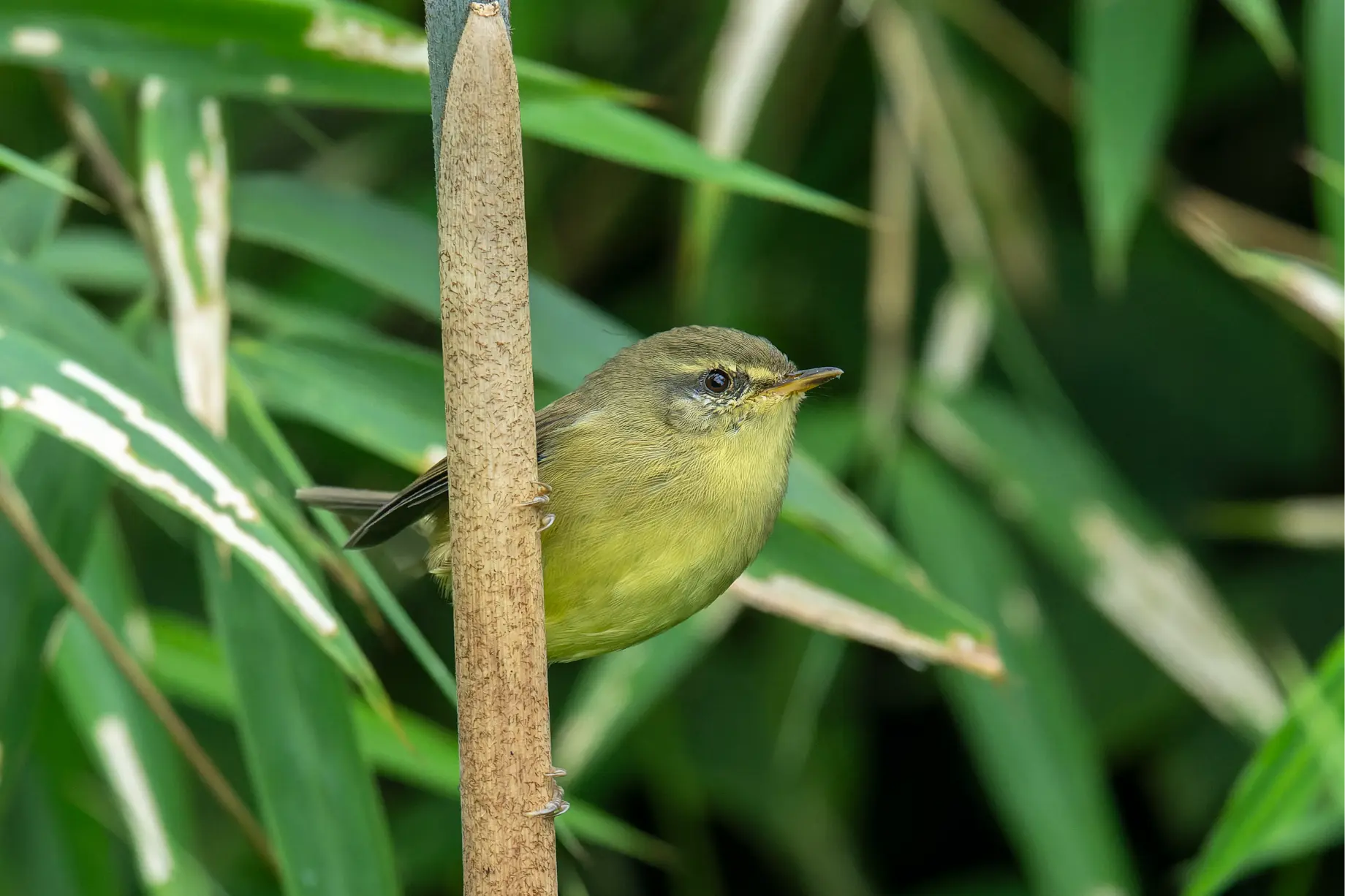
Northeast India ranks among the world’s top bird hotspots, boasting over 800 species in a compact area thanks to its mix of lowland grasslands, river valleys, subtropical forests, and Himalayan foothills up to 4,000m. This 15-day itinerary uncovers Arunachal Pradesh’s hidden gems like Eaglenest Wildlife Sanctuary—a biodiversity hotspot famed for the 2009 discovery of the stunning Bugun Liocichla (a vibrant red-and-yellow endemic), plus over 500 recorded species amid pristine rhododendron forests and orchid-rich trails. Nameri National Park dazzles with its wild Jia Bhoreli River, perfect for spotting critically endangered White-winged Wood Duck and river specialists like Ibisbill on boat safaris through bamboo and grasslands. Kaziranga National Park, a UNESCO World Heritage site, shines for its massive Indian one-horned rhinos (over 2,600), tigers, elephants, and 480+ birds including Bengal Florican in vast wetlands. Dirang offers cultural Monpa village vibes and gateways to Mandala’s sacred 3,000m forests—an Important Bird Area (IBA) teeming with high-elevation specialties like Ward’s Trogon. Camps like Lama (2,200m) and Bompu (2,500m) provide intimate access to skulkers such as parrotbills, sibias, and pheasants in ancient oak-rhododendron belts. Expect mammals like Hoolock Gibbon, clouded leopard, and otters too. Our expert local guides maximize sightings, covering 400+ species potential. Simple eco-camps and resorts ensure comfort amid this unexplored paradise—ideal for photographers filling albums with lifers and memories. Best November-April; inner-line permits included.
Trip Highlights
- Eaglenest’s Bugun Liocichla, Chestnut-breasted Partridge, Temminck’s Tragopan in altitudinal paradise.
- Nameri boat safaris for White-winged Duck, Great Hornbill, Wreathed Hornbill, Ibisbill, Black-bellied Tern.
- Kaziranga’s rhinos, tigers, Bengal Florican, Swamp Francolin, Pallas’s Fish-eagle.
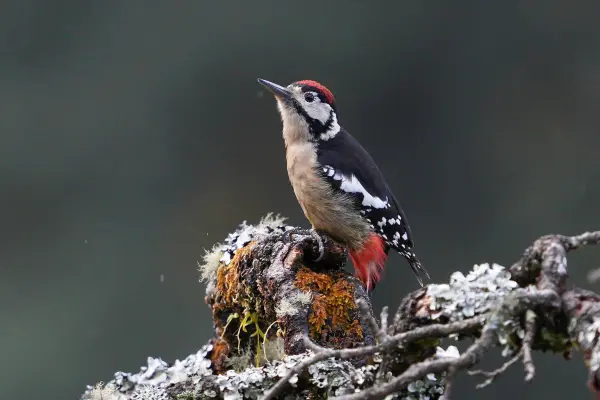
- Mandala’s Ward’s Trogon, Crimson-breasted Woodpecker, Chestnut-crowned Laughingthrush.
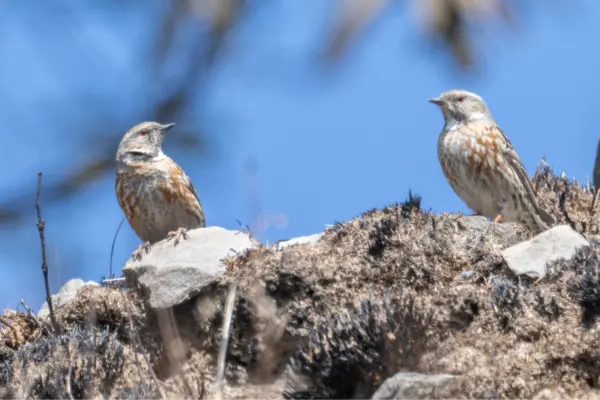
- Sela Pass high-flyers: Blood Pheasant, Himalayan Monal, Alpine Accentor.
- Bompu/Lama specialties: Grey Peacock-Pheasant, Blue-throated Barbet, Black-faced Laughingthrush, Sultan Tit.
Image Gallery
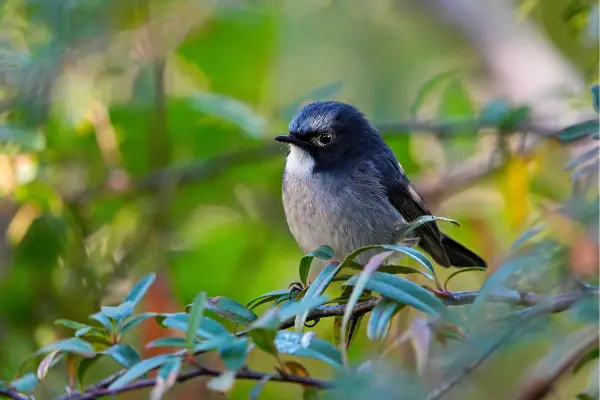
Itinerary
Day 1: Arrival in Delhi
Our representative picks you up from Delhi airport. We will transfer to your hotel, relax or discuss plans with our guide.
Day 2: We Fly Delhi to Guwahati to Nameri
We take a morning flight to Guwahati and drive 5 hours to Nameri National Park—its rushing Jia Bhoreli River and forests host riverine gems like critically endangered White-winged Duck amid bamboo thickets.
Key birds: White-winged Duck, Great Hornbill, Wreathed Hornbill, Rufous-necked Hornbill, Crested Kingfisher, Oriental Dwarf Kingfisher, Greater Spotted Eagle, White-rumped Vulture, Indian Vulture, Black-bellied Tern, Blue-naped Pitta, Lesser Adjutant.
Day 3: We Explore Nameri then Head to Dirang
We start with a dawn boat safari on Jia Bhoreli for Ibisbill on gravel bars and storks. After breakfast, we drive 6-7 hours through scenic Arunachal hills to Dirang—a charming Monpa town gateway to Eaglenest, blending culture and birding. We make pit stops for roadside flocks.
Key birds: Black Stork, Ibisbill, Fulvous Whistling Duck, Red-headed Vulture, Long-billed Plover, Kalij Pheasant, Common Hill Myna, Pin-tailed Green Pigeon, Pied Harrier, Pallas’s Fish-Eagle.
Day 4: We Bird Dirang via Sela Pass
We begin with early Mandala birding—sacred forests at 3,000m, an IBA for rare highlanders amid prayer flags and rhododendrons. We drove to snow-dusted Sela Pass (4,170m), a stark alpine zone for snow-loving species. We return to Dirang. It can be chilly.
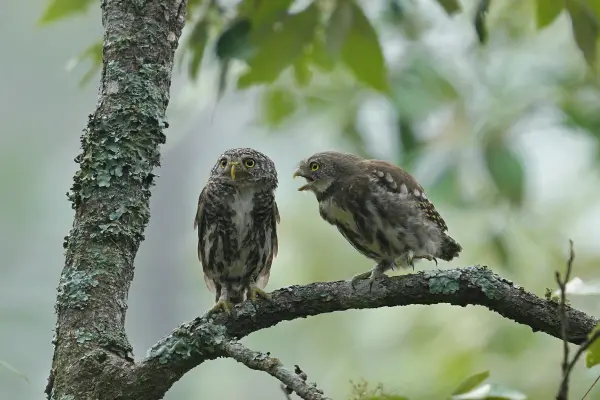
Key birds: Himalayan Cuckoo, Asian Barred Owlet, Daurian Redstart, Long-tailed Minivet, Black-throated Prinia, Hodgson’s Redstart, Blood Pheasant, Himalayan Monal, Alpine Accentor, White-winged Grosbeak.
Day 5: We Spend Full Day in Mandala
We dive deep into Mandala’s Phudung forests—dense broadleaf and conifer mix yielding skulkers and photogenics. We walk trails through mossy oaks for mid-altitude stars. We return to Dirang in the evening.
Key birds: Barred Cuckoo-Dove, Great Barbet, Chestnut-crowned Laughingthrush, White-collared Blackbird, Eurasian Nutcracker, Ludlow’s Fulvetta, Striated Laughingthrush, Taiwan Whistling Thrush, Crimson-browed Barwing.
Day 6: We Drive Dirang to Lama Camp
We take a twisty mountain drive (4 hours) to Lama Camp at 2,200m—serene ridge camp in Eaglenest buffer, surrounded by pristine subtropical broadleaf forests alive with calls. We stop roadside and bird evening around camp.
Key birds: Bay Woodpecker, Crimson-breasted Woodpecker, Ward’s Trogon, Black-eared Shrike-babbler, Scaly-breasted Cupwing, Striated Bulbul, Beautiful Nuthatch, Black-headed Sibia.
Day 7: We Move Lama to Bompu Camp
We bird morning Lama trails, then drive with birding to Bompu (2,500m)—heart of Eaglenest, humid mossy forests with giant trees hosting imperial pigeons and babblers. viewpoints add variety. Lifetime scenic drive.
Key birds: Grey Peacock-Pheasant, Common Emerald Dove, Black Eagle, Black-winged Cuckooshrike, White-throated Bulbul, Mountain Bulbul, White-browed Scimitar Babbler, Rufous-throated Partridge.
Day 8: We Enjoy Full Bompu Birding Day
We immerse fully in Bompu trails—rich understory for ground birds and canopy feeders amid orchids.
Key birds: Mountain Imperial Pigeon, Grey Treepie, Alpine Thrush, Spotted Forktail, Himalayan Bluetail, Streaked Spiderhunter, Large Hawk-Cuckoo, Chestnut-bellied Nuthatch.
Day 9: We Continue Bompu Exploration
We probe another day in Bompu’s layers—night birds at dusk, undergrowth specialists. Meals: B,L,D. Stay: Camp. Key birds: Grey Nightjar, Collared Owlet, Bronze Drongo, Golden Babbler, Blue-throated Barbet, Speckled Piculet, Rufous-necked Scimitar Babbler, Coral-billed Scimitar Babbler.
Day 10: We Return Bompu to Lama Camp
We bird our descent to Lama—target any misses. Key birds: Grey-chinned Minivet, Yellow-bellied Fantail, Pygmy Cupwing, Sultan Tit, Lesser Racket-tailed Drongo, Black-chinned Yuhina, Black-faced Laughingthrush, Bugun Liocichla.
Day 11: We Go Lama to Nameri
We bird morning at Lama, then long drive back to Nameri grasslands. We walk in the evening by the river.
Key birds: White-winged Duck repeats, Pied Kingfisher, River Lapwing, Small Pratincole.
Day 12: We Travel Nameri to Kaziranga
We do the final Nameri boat/forest, then a 3-hour drive to Kaziranga—the world’s rhino stronghold with endless marshes teeming with aquatic life. We take afternoon jeep safari.
Key birds/mammals: Indian Rhinoceros, Wild Water Buffalo, Indian Elephant, Tiger, Ferruginous Duck, Baer’s Pochard, Blyth’s Kingfisher, Dalmatian Pelican, Spot-billed Pelican, Lesser Adjutant, Greater Adjutant, Black-necked Stork.
Day 13: We Do Full Kaziranga Safaris
We ride jeeps/elephants across central/western ranges—floodplains for grassland birds, towers for raptors.
Key birds: Swamp Francolin, Bengal Florican, Pale-capped Pigeon, Bristled Grassbird, Black-breasted Parrotbill, Slender-billed Babbler, Striated Grassbird.
Day 14: We Head Kaziranga to Guwahati via Cherrapunji
We start with morning safari, drive to misty Cherrapunji (Meghalaya)—famous for double-decker living root bridges formed by rubber fig roots over gorges, plus cloud-forest birds in the wettest place on Earth. We continue to Guwahati airport for a flight to Delhi.
Day 15: We Depart from Delhi
We transfer you to the airport for flight home.